In an age where security is a top priority for businesses and homeowners alike, video surveillance systems have become indispensable tools for ensuring safety and peace of mind. These systems provide a powerful way to monitor activities, deter crime, and gather evidence when necessary. Understanding what video surveillance systems are and their key benefits can help you make informed decisions about your security needs. This article will explore the intricacies of video surveillance systems, supported by real-life examples and expert insights, while focusing on the numerous advantages they offer.
Understanding Video Surveillance Systems
Video surveillance systems, commonly known as CCTV (closed-circuit television) systems, are technologies used to monitor and record activities in specific areas. These systems consist of cameras, recording devices, and monitoring software that work together to capture video footage in real-time or store it for later review.
Components of Video Surveillance Systems
To fully grasp the functionality of video surveillance systems, it’s essential to understand their key components.
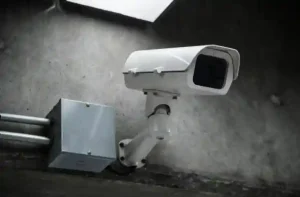
1. Cameras: The heart of any video surveillance system is its cameras. These can vary widely in type, including dome cameras, bullet cameras, PTZ (pan-tilt-zoom) cameras, and more. Each type serves different purposes and environments, from indoor monitoring to outdoor surveillance.
2. Recording Devices: Video footage can be recorded on various devices, including digital video recorders (DVRs) and network video recorders (NVRs). These devices store the footage for future review and can vary in storage capacity depending on the system configuration.
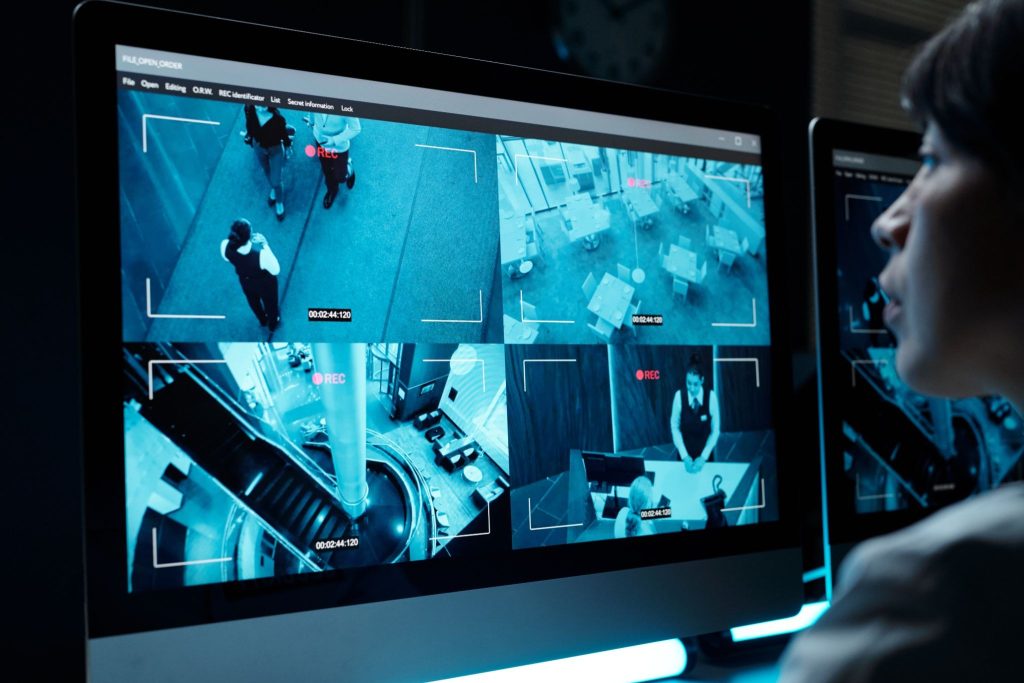
3. Monitoring Software: Modern video surveillance systems often come with sophisticated software that allows users to view live feeds, access recorded footage, and manage camera settings remotely. This software can be accessed through computers or mobile devices, enhancing flexibility and convenience.
The Key Benefits of Video Surveillance Systems
Video surveillance systems offer numerous benefits, making them vital tools for security in various settings. Here are some of the most significant advantages:
1. Enhanced Security
The primary purpose of video surveillance systems is to enhance security. By installing cameras in strategic locations, businesses and homeowners can monitor their properties round-the-clock. This constant vigilance helps deter criminal activities, such as burglary and vandalism, as potential intruders are less likely to target a property under surveillance.
Real-Life Example: Retail Stores
Consider a retail store that recently upgraded its security by installing video surveillance cameras throughout the premises. Before the installation, the store faced frequent theft incidents. After implementing the surveillance system, the store reported a dramatic reduction in theft cases, as the presence of cameras discouraged would-be thieves from attempting to steal.
2. Evidence Collection
In the unfortunate event of a crime, having video footage can be invaluable for law enforcement and insurance claims. Video surveillance systems provide reliable evidence that can help identify suspects, clarify events, and support investigations. This documentation can be crucial in court, as it offers a visual account of incidents that may otherwise be disputed.
Expert Insight: Law Enforcement Perspective
According to a report from the Security Industry Association, law enforcement agencies increasingly rely on video surveillance footage to solve crimes. The availability of clear video evidence can significantly expedite investigations and lead to quicker resolutions.
3. Remote Monitoring
Modern video surveillance systems allow users to monitor their properties remotely. With advancements in technology, users can access live feeds and recorded footage through mobile applications or web browsers. This capability offers peace of mind, as property owners can keep an eye on their homes or businesses from anywhere in the world.
Real-Life Example: Smart Home Technology
Imagine a homeowner who travels frequently for work. With a video surveillance system integrated into their smart home, they can check in on their property while away, receiving alerts if motion is detected. This level of control and visibility enhances their sense of security, even when they are miles away.
4. Employee Monitoring and Productivity
In a business setting, video surveillance systems can also serve as tools for employee monitoring. By observing employee behavior and productivity, business owners can identify areas for improvement and ensure that workplace policies are being followed.
Case Study: Office Environment
An office that implemented a video surveillance system found that it not only improved security but also increased productivity. Managers could identify bottlenecks in workflow and address issues promptly, leading to a more efficient work environment. Employees were also more conscious of their actions, knowing they were being monitored, which positively impacted their performance.
5. Insurance Benefits
Having a video surveillance system in place can lead to lower insurance premiums. Insurance companies often offer discounts to businesses and homeowners who have implemented security measures, including surveillance systems. This can result in significant savings over time, making the initial investment in the system more financially viable.
Expert Insight: Insurance Industry
Insurance experts note that properties equipped with video surveillance are generally less prone to losses. As a result, insurers view them as lower-risk, leading to potential premium reductions for policyholders. This financial incentive underscores the practical benefits of investing in video surveillance systems.
6. Improved Customer Service
In retail environments, video surveillance systems can enhance customer service by providing insights into customer behavior. By analyzing footage, businesses can understand shopping patterns, peak hours, and customer interactions. This data can inform staffing decisions and improve the overall shopping experience.
Real-Life Example: Grocery Stores
A grocery store chain that utilized video surveillance to monitor customer traffic patterns was able to optimize staff scheduling. By identifying peak shopping times, managers ensured that sufficient employees were available to assist customers, leading to increased satisfaction and sales.
7. Integration with Other Security Systems
Video surveillance systems can be integrated with other security measures, such as access control systems and alarm systems. This integration creates a comprehensive security solution that enhances overall protection. For instance, in the event of an alarm trigger, the surveillance system can automatically start recording, providing crucial footage to assess the situation.
Case Study: Comprehensive Security Solutions
A commercial building that integrated its video surveillance system with an access control system reported improved security outcomes. The combination allowed security personnel to monitor who entered the building and review footage if an unauthorized access attempt was detected. This layered approach to security significantly reduced incidents of unauthorized access.
8. Deter Crime and Promote Safety
The presence of video surveillance systems acts as a crime deterrent. When potential criminals see cameras installed, they are less likely to engage in illegal activities. This preventative measure not only protects property but also promotes a sense of safety among employees, customers, and residents.
Expert Insight: Crime Statistics
Research conducted by the University of North Carolina suggests that properties equipped with visible security cameras experience a significant reduction in crime rates. This connection between surveillance presence and crime deterrence highlights the effectiveness of video surveillance systems in enhancing safety.
The Future of Video Surveillance Systems
As technology continues to advance, video surveillance systems are evolving to meet the demands of modern security challenges. Emerging trends, such as artificial intelligence (AI) and machine learning, are transforming how these systems operate.
AI-Powered Surveillance
AI-powered video surveillance systems can analyze footage in real-time, identifying unusual behaviors or potential threats. By leveraging machine learning algorithms, these systems can adapt and improve their detection capabilities over time, enhancing overall security.
Cloud-Based Storage Solutions
Cloud technology is revolutionizing video surveillance by offering scalable storage solutions. With cloud-based systems, users can store vast amounts of footage without the limitations of traditional storage devices. This flexibility allows for easier access and management of video data.
Enhanced Analytics
Future video surveillance systems are expected to include advanced analytics features, enabling users to gain deeper insights from their footage. These capabilities could include facial recognition, license plate recognition, and even people counting, providing valuable data for businesses and organizations.
Conclusion
Video surveillance systems are essential tools for enhancing security in various settings. By offering numerous benefits such as improved safety, evidence collection, remote monitoring, and potential insurance savings, these systems provide peace of mind for property owners and managers. As technology continues to advance, embracing modern video surveillance solutions will only enhance their effectiveness and adaptability to emerging security challenges.
Investing in a video surveillance system is not merely about protection; it’s about creating a secure environment where individuals can feel safe and confident. In an unpredictable world, having the right security measures in place is crucial for safeguarding your property and its occupants.