Fire safety is one of the most important parts of building management. Whether it is a home, office, factory, or shopping center, having the right safety equipment can prevent serious damage and save lives. Understanding how fire safety tools work helps people make better decisions when choosing them. In particular, information on fire suppression systems plays a key role in guiding building owners toward reliable and effective safety solutions.
Understanding the Role of Fire Suppression Systems
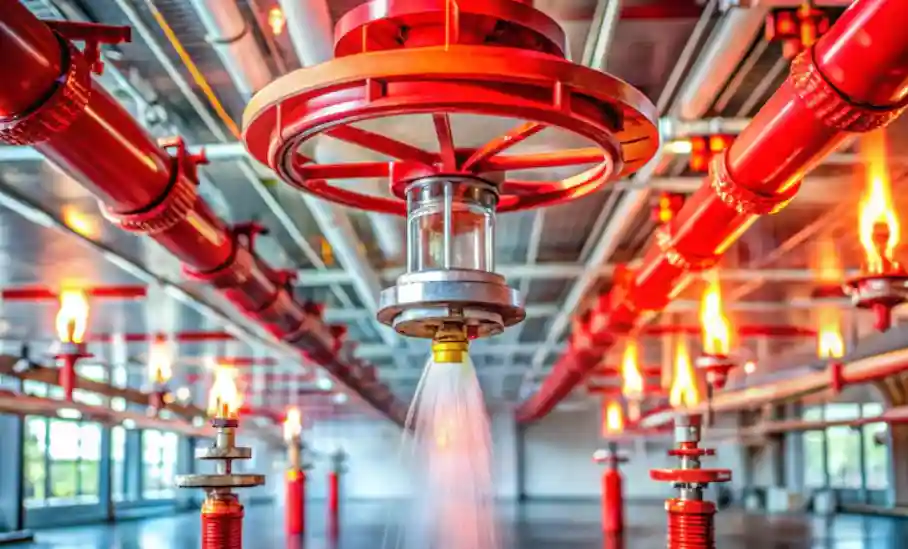
Fire suppression systems are designed to control or stop fires automatically or manually before they spread. They are different from basic fire extinguishers because they can activate quickly and cover larger areas. These systems may use water, gas, foam, or chemical agents depending on the type of building and risk level.
When people study information on fire suppression systems, they learn how each system works in different situations. This knowledge helps them understand what type of protection is suitable for residential buildings, commercial spaces, or industrial environments. Without this understanding, choosing safety equipment becomes a guess rather than an informed decision.
Importance of Information in Choosing Safety Equipment
Having access to clear and accurate information helps building owners avoid poor-quality or unsuitable fire safety products. Not all fire safety equipment works in the same way, and not every system is suitable for every environment.
For example, a server room needs a different type of suppression system compared to a kitchen or warehouse. By using information on fire suppression systems, people can compare options and understand which equipment matches their building’s specific risks. This reduces the chances of equipment failure during an emergency and improves overall safety.
How Fire Risk Awareness Improves Decision-Making
Every building has different fire risks based on its design, materials, and usage. A good understanding of these risks is essential when selecting safety equipment. Fire suppression systems are often designed with specific hazards in mind, such as electrical fires, oil fires, or chemical fires.
When people study how these systems respond to different fire types, they become more aware of what their building actually needs. This awareness helps them avoid overpaying for unnecessary features or underestimating important safety requirements. In this way, proper information leads to smarter and safer choices.
Matching Equipment with Modern Safety Standards
Modern fire safety standards are becoming more advanced and strict. Buildings are expected to follow guidelines that ensure maximum protection for people and property. Fire suppression systems must meet these standards to be considered reliable.
By reviewing updated information on fire suppression systems, building owners can ensure that their selected equipment meets legal and safety requirements. This also helps in inspections and compliance checks, reducing the risk of penalties or operational shutdowns. Staying informed ensures that safety systems are not only effective but also legally approved.
Benefits of Professional Guidance and Research
While general knowledge is helpful, professional advice can further improve decision-making. Experts in fire safety can explain technical details in a simple way and recommend the most suitable systems for different buildings. Combining expert guidance with personal research creates a strong foundation for choosing reliable safety equipment.
People who take time to understand fire suppression systems are more confident in their decisions. They are also better prepared to handle emergencies because they know how their safety equipment works and when it activates.
Conclusion
In conclusion, having access to accurate information on fire suppression systems is essential for selecting reliable fire safety equipment for buildings. It helps people understand system types, match equipment with risks, follow safety standards, and make informed decisions. With the right knowledge and careful planning, building owners can ensure stronger protection, reduce risks, and create a safer environment for everyone.