
Security is a fundamental concern for any commercial property owner or manager. A well-designed perimeter is one of the most cost-effective and visible deterrents available, reducing the risk of unauthorized access, theft, vandalism, and liability. Understanding what constitutes effective commercial perimeter fencing and how to implement it appropriately for your site is an important part of any comprehensive security strategy.
Importance of Commercial Security Fencing
Protecting a commercial site requires fencing that goes significantly beyond the specifications of typical residential products. The commercial security fencing is manufactured from high-grade steel or welded mesh panels designed to resist cutting, climbing, and physical impact.
Professional commercial fencing specialists assess your site’s specific risk profile and recommend a solution that provides appropriate deterrence without creating unnecessary visual harshness or community relations issues.
Assessing Your Site’s Security Requirements
No two commercial sites have identical security needs, and the right fencing specification should reflect the actual risk level and regulatory requirements of each property. Industrial sites storing high-value goods or hazardous materials face different threats than a retail car park or school grounds.
The asset value at risk, the frequency and nature of previous security incidents, the proximity of neighboring properties, and any insurance or regulatory obligations all inform the appropriate specification. A professional security fencing consultant can conduct a formal threat assessment and provide recommendations aligned with recognized security standards.
Integrating Fencing with Other Security Measures
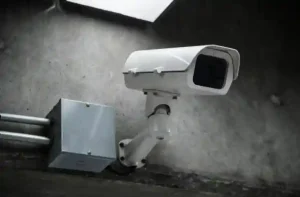
A perimeter fence is most effective when it forms part of a broader layered security strategy rather than operating in isolation. CCTV cameras positioned to monitor the fence line and its access points create a powerful visual deterrent and provide recorded evidence in the event of an incident.
Adequate lighting along the perimeter removes the cover of darkness that opportunistic intruders rely on. Access control systems at entry gates, such as intercoms, keypads, or vehicle number plate recognition, add a further layer of verified access management.
Maintenance and Inspection of Security Fencing
Even robust security fencing requires periodic inspection and maintenance to remain effective. Regular checks should look for signs of impact damage, corrosion at weld points or ground level, loosened fixings, and any evidence of attempted forced entry.
Vegetation growing against or through the fence line can create climbing opportunities and accelerate corrosion of steel components. Security fencing maintenance visits should be scheduled at least annually and after any incident that may have compromised the structural integrity of the perimeter.
Compliance and Planning Requirements
Installing commercial security fencing may be subject to local planning regulations, particularly when the proposed fence height exceeds standard thresholds or when the site is located in a conservation area or adjacent to a public right of way. Some high-security fencing features, including certain types of perimeter protection, are subject to specific regulatory constraints.
An experienced commercial fencing contractor will advise on the applicable requirements for your location and can assist with or manage the planning application process on your behalf. Proceeding without the necessary approvals creates risk of enforcement action and potentially costly removal.
Conclusion
A well-specified and professionally installed commercial security fence is one of the most impactful investments a business can make in protecting its property and assets. By working with specialists who understand both the security requirements of commercial sites and the regulatory environment governing perimeter fencing, businesses can put in place a perimeter solution that is effective, compliant, and appropriate for their specific site and risk profile.