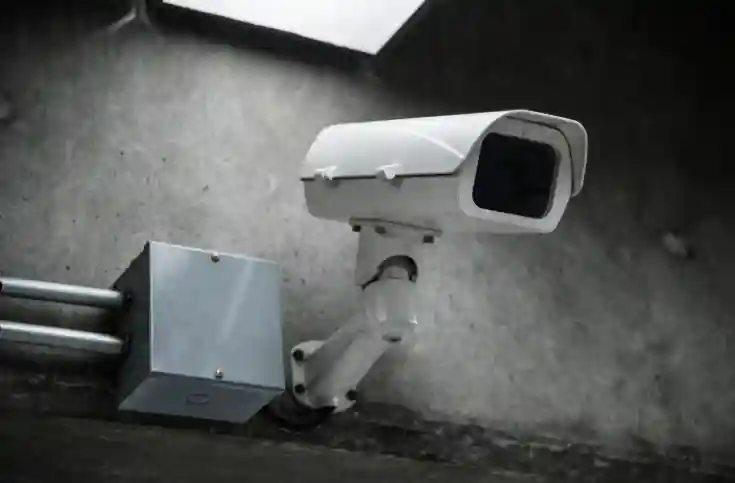
Safety has been a rising concern for homeowners and companies aiming to defend property, minimise risk, and boost peace of mind. Modern CCTV systems enable real-time monitoring, remote access, motion detection, and enhanced image quality to further support security management.
But the installation of a CCTV system is not just about wall-mounted cameras. The long-term performance depends in large part on proper planning, camera positioning, system setup, and professional installation.
Knowing the crucial components of CCTV installation can guide property owners in making informed choices that ensure enhanced security and system performance.
Need for CCTV Installation
It is crucial to understand the main goal of CCTV systems installation before selecting equipment or services. The amount of supervision that is needed varies from property to property based on the layout, security issues, traffic flow, and the purpose of supervision.
Some property owners are more concerned about:
- Intrusion prevention
- Employee monitoring
- Visitor management
- Parking lot surveillance
- Evidence collection
- Remote property access
Determining these objectives will help determine the number of cameras, storage space, and monitoring features required for coverage.
Installation Process
The correct installation of CCTV systems by professionals is a crucial factor in ensuring that the cameras operate correctly and deliver long-term reliability. A system that is not installed properly can cause blind spots in the system, unstable connections, poor image quality, or an inability to record properly.
While there are a number of factors to consider before installation, experienced installers will consider the following:
- Property layout
- Lighting conditions
- Opening and closing points
- Internet connectivity
- Camera positioning
- Storage requirements
Correct positioning of the camera is particularly crucial because the recorded footage may not be useful if it is taken from an inappropriate angle or if visibility is obstructed.
Spots of Camera
The location of cameras has a direct impact on coverage for security. However, no camera, no matter how good it is, can effectively protect if it’s not placed right. The right positioning ensures maximum visibility and minimises blind spots or obstructions to the image.
Typical installation places are:
- Main entrances
- Driveways
- Garages
- Reception areas
- Hallways
- Perimeter fencing
- Parking areas
Correct camera height and shot angle selection help create clearer images and more accurately identify faces, license plates, and movement patterns. Covered footage is balanced, meaning that there are no unneeded overlaps between cameras.
Modern Camera Features
New CCTV systems possess lots of capabilities that are far more sophisticated than those of outdated systems. Currently, many systems incorporate the following:
- Motion detection alerts
- Mobile app monitoring
- Cloud storage integration
- Night vision capabilities
- Remote viewing access
- Smart video analytics
The features aid the owner in efficiently monitoring activities and minimise the need for constant human monitoring. This is especially beneficial for reviewing live or recorded footage from a mobile device phone, tablet, or computer while away from the property.
Storage and Data Protection Considerations
One of the least considered elements of CCTV system design is storage. If there is an insufficient amount of space, then important recordings can be lost too quickly, or these recordings may be hard to access during investigations.
The requirements of a system depend on:
- Camera quantity
- Recording resolution
- Motion detection settings
- Retention period needs
When installing a system, professional installers are often able to provide recommendations as to storage requirements depending on the property size and monitoring objectives.