In today’s world, security is a top priority for businesses and homeowners alike. With the increasing prevalence of crime and the need for safety, understanding the tools available for protection is essential. Among these tools, video surveillance systems and standard security cameras play vital roles. However, many people are unaware of the key differences between these two types of surveillance technologies. In this article, we will explore how video surveillance systems differ from standard security cameras, their unique features, benefits, and applications, all while providing real-life examples and expert insights.
Understanding Video Surveillance Systems
Video surveillance systems, often referred to as CCTV (closed-circuit television), are comprehensive security solutions designed to monitor and record activities in specific areas. These systems consist of interconnected cameras, recording devices, and monitoring software, allowing users to capture video footage in real-time or store it for later review.
Components of Video Surveillance Systems
To fully grasp the functionality of video surveillance systems, it’s crucial to understand their key components:
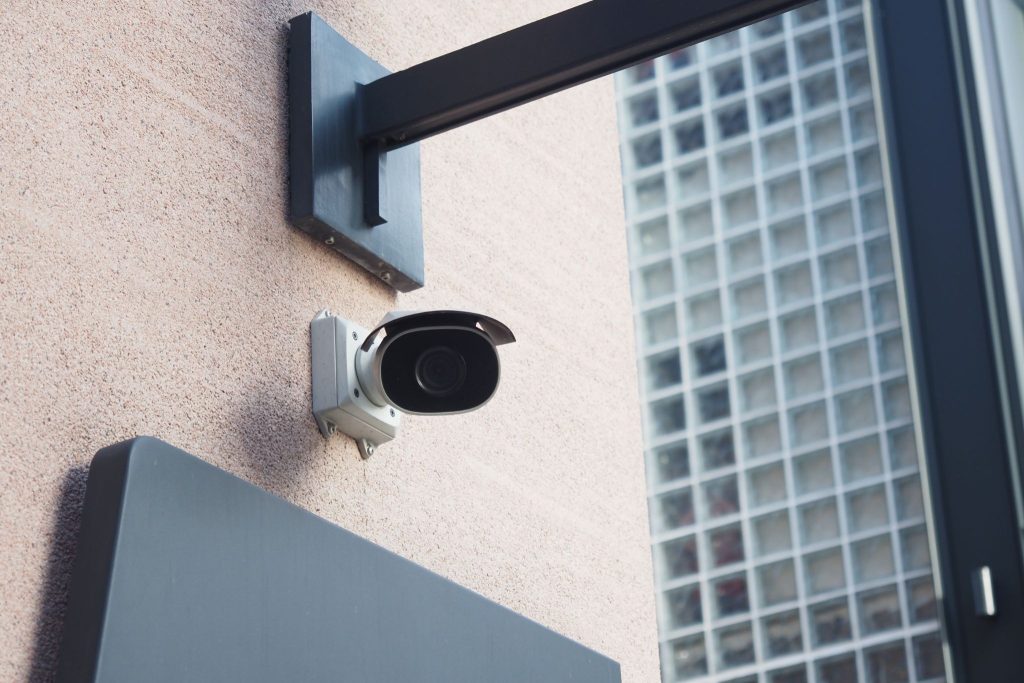
1. Cameras: Video surveillance systems utilize various types of cameras, including dome cameras, bullet cameras, and PTZ (pan-tilt-zoom) cameras. Each type serves different purposes and environments, from indoor monitoring to outdoor surveillance.
2. Recording Devices: Footage can be recorded on devices such as digital video recorders (DVRs) or network video recorders (NVRs). These devices store video data for future review and can vary in storage capacity depending on the system configuration.
3. Monitoring Software: Modern video surveillance systems come equipped with sophisticated software that allows users to access live feeds, manage camera settings, and review recorded footage. This software can be accessed via computers or mobile devices, enhancing flexibility and convenience.
What Are Standard Security Cameras?
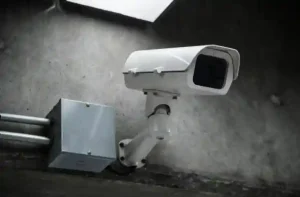
Standard security cameras are typically standalone devices designed primarily for monitoring specific areas. Unlike video surveillance systems, which encompass a network of cameras and recording devices, standard security cameras may operate independently and often lack the advanced features associated with comprehensive surveillance systems.
Components of Standard Security Cameras
Standard security cameras include basic components, such as:
1. Camera: The camera itself captures video footage and can vary in quality and features. Some standard cameras may offer limited resolution, fixed lenses, and basic night vision capabilities.
2. Power Supply: Most standard security cameras require a power source to operate, which can be provided through batteries or wired connections.
3. Recording Options: Some standard security cameras have built-in storage for recording footage, while others may require an external storage solution. Many standard models do not support advanced recording options or remote access.
Key Differences Between Video Surveillance Systems and Standard Security Cameras
While both video surveillance systems and standard security cameras serve the fundamental purpose of monitoring, they differ significantly in several key aspects. Understanding these differences will help you make informed decisions about your security needs.
1. System Complexity
Video surveillance systems are typically more complex and integrated than standard security cameras. A video surveillance setup consists of multiple cameras, recording devices, and monitoring software, all working together to provide comprehensive coverage and real-time monitoring. In contrast, standard security cameras are often standalone devices that lack the same level of integration and functionality.
Real-Life Example: Business Security
Consider a large retail store that implements a video surveillance system. The store utilizes multiple cameras strategically placed throughout the premises, all connected to a central recording device. This setup allows security personnel to monitor various areas simultaneously, enhancing overall security. In comparison, a small convenience store may rely on a single standard security camera, which limits its monitoring capabilities.
2. Features and Functionality
Video surveillance systems offer a range of advanced features that standard security cameras typically lack. For example, many video surveillance systems include features such as:
High Resolution: Video surveillance cameras often provide higher resolutions, ensuring clearer images and better identification of individuals.
Remote Access: Users can access live feeds and recorded footage from anywhere via smartphones or computers, providing real-time monitoring capabilities.
Motion Detection: Advanced video surveillance systems can detect motion and trigger alerts, allowing for immediate responses to potential security threats.
Integration with Other Security Systems: Video surveillance can be integrated with access control systems, alarms, and other security measures, creating a comprehensive security solution.
In contrast, standard security cameras may have limited features, often focusing solely on recording footage without advanced functionalities.
3. Storage Options
Storage solutions differ significantly between video surveillance systems and standard security cameras. Video surveillance systems typically utilize sophisticated recording devices that can store large amounts of footage for extended periods. NVRs and DVRs often come with options for cloud storage, allowing users to access and manage footage remotely.
On the other hand, standard security cameras may have limited storage capacity, with some models relying on internal memory cards for recording. This limitation can hinder long-term monitoring and data retention, making it challenging to review past incidents.
Expert Insight: Data Retention
According to security experts, retaining video footage for extended periods is crucial for investigations and evidence collection. Video surveillance systems provide the necessary storage options to facilitate this, while standard security cameras may fall short in this regard.
4. Installation and Scalability
Installing a video surveillance system typically requires professional expertise, as it involves configuring multiple cameras, recording devices, and software for optimal performance. This complexity can make initial installation more time-consuming and costly.
In contrast, standard security cameras are generally easier to install, often designed for DIY setups. Users can mount cameras and connect them to power sources without extensive technical knowledge. However, this simplicity can limit scalability; adding more cameras or integrating them into a broader security system may not be as straightforward.
Real-Life Example: Home Security
Imagine a homeowner looking to enhance their security. A video surveillance system would provide comprehensive coverage, but the installation may require professional assistance. In contrast, a homeowner might opt for standard security cameras they can install themselves, but they may need to compromise on overall security effectiveness.
5. Cost Considerations
Cost is a significant factor when comparing video surveillance systems and standard security cameras. Video surveillance systems often involve higher upfront costs due to the need for multiple cameras, recording devices, and installation. However, they provide enhanced security features and capabilities that can be worth the investment.
In contrast, standard security cameras are typically more affordable and can be a suitable option for those on a tight budget. However, it’s essential to consider the long-term implications of relying solely on basic cameras, as they may not provide the same level of security and monitoring as a comprehensive video surveillance system.
6. Use Cases and Applications
The intended use cases for video surveillance systems and standard security cameras also differ. Video surveillance systems are ideal for environments requiring comprehensive security, such as commercial properties, warehouses, and large retail establishments. Their advanced features and integration capabilities make them well-suited for monitoring high-traffic areas and preventing security breaches.
Conversely, standard security cameras may be more suitable for residential settings or small businesses where high levels of security may not be necessary. They can act as a deterrent and provide basic monitoring without the complexities of a full surveillance system.
Expert Insight: Security Needs Assessment
Security professionals recommend conducting a thorough assessment of your security needs before choosing between video surveillance systems and standard security cameras. Understanding your property’s vulnerabilities and the level of monitoring required will guide you toward the best solution.
Conclusion
In the debate of video surveillance vs. cameras, it’s crucial to recognize the key differences between video surveillance systems and standard security cameras. While both serve the fundamental purpose of monitoring and enhancing security, video surveillance systems offer advanced features, greater integration capabilities, and comprehensive coverage that can significantly improve safety and peace of mind.
Investing in the right security solution depends on your specific needs, budget, and the level of protection required. Whether you opt for a video surveillance system or standard security cameras, understanding the distinctions will empower you to make informed decisions about your security strategy.