
In today’s competitive retail environment, safeguarding assets is paramount. Retailers face various challenges, from shoplifting to employee theft, which can severely impact their bottom line. Thus, implementing effective loss prevention strategies is essential. A key component of these strategies is the use of security systems, which play a critical role in minimizing losses and enhancing overall security. This article delves into how security systems support retail loss prevention strategies, providing insights backed by real-world examples and expert opinions.
Understanding Retail Loss Prevention Strategies
Retail loss prevention strategies encompass a range of practices aimed at reducing theft, fraud, and operational errors. These strategies are designed to protect a retailer’s assets and ensure profitability. Loss prevention is not merely about catching thieves; it involves creating an environment that discourages theft while promoting efficient operations.
The Scope of Loss Prevention
Loss prevention strategies can be broadly categorized into several areas, including:
Employee Training: Educating staff about theft prevention and their role in maintaining security.
Inventory Management: Implementing systems to track stock levels and prevent discrepancies.
Surveillance Systems: Utilizing technology to monitor activities and deter criminal behavior.
Customer Engagement: Creating a positive shopping experience that encourages customers to report suspicious activity.
Each of these areas plays a vital role in establishing a comprehensive approach to loss prevention. However, the integration of security systems stands out as a particularly effective method for addressing various threats.
The Role of Security Systems in Loss Prevention
Security systems have evolved significantly in recent years, becoming more sophisticated and versatile. From traditional CCTV cameras to advanced AI-driven surveillance solutions, these systems provide retailers with the tools they need to implement effective loss prevention strategies.
Deterrence Through Visibility
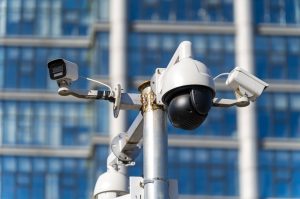
One of the most powerful ways security systems contribute to loss prevention is through deterrence. The mere presence of surveillance cameras can discourage potential thieves from attempting to steal. Research has shown that stores with visible security measures experience lower rates of theft.
For example, a study conducted by the University of North Carolina found that shops with visible surveillance cameras saw a 30% reduction in shoplifting incidents. When customers know they are being watched, they are less likely to engage in dishonest behavior. This deterrent effect is crucial for retailers looking to protect their assets without making customers feel uncomfortable.
Monitoring and Evidence Collection
Security systems not only deter theft but also provide an effective way to monitor store activities. High-definition cameras can capture clear footage of all transactions, allowing retailers to review incidents as they occur or after the fact. This capability is invaluable for identifying suspicious behavior and collecting evidence in the event of theft.
Consider a case where a retail store experienced a series of unexplained inventory losses. By analyzing surveillance footage, the management team discovered that an employee was manipulating sales records to cover up theft. This not only helped them address the issue promptly but also allowed them to implement additional training measures to prevent future occurrences.
Real-Time Alerts and Responses
Modern security systems are equipped with advanced features that enable real-time alerts and responses. For instance, many systems can detect unusual movements or activities and send instant notifications to store managers or security personnel. This capability allows for swift intervention, potentially preventing theft before it occurs.
In one notable case, a retail chain implemented a security system with motion detection capabilities. When suspicious activity was detected in the electronics department, the system alerted the on-site security team. They were able to intervene quickly and prevent a theft that could have resulted in significant losses. This proactive approach illustrates how security systems can enhance loss prevention strategies.
Integrating Technology with Loss Prevention Strategies
The integration of technology into loss prevention strategies is essential for modern retail operations. Security systems can be combined with other technologies to create a comprehensive approach to theft prevention.
Point-of-Sale Systems
Integrating security systems with point-of-sale (POS) systems can offer additional layers of protection. By linking surveillance footage with transaction records, retailers can cross-reference sales data with video evidence. This integration can help identify discrepancies and suspicious transactions, providing valuable insights into potential fraud.
For example, a grocery store chain that integrated its security cameras with POS systems discovered a pattern of fraudulent returns. Employees were found to be processing returns for items that were never purchased. With the evidence gathered through video analysis, the store was able to address the issue and implement stricter controls for return processing.
Inventory Management Solutions
Inventory management solutions can also complement security systems in loss prevention strategies. By using RFID (Radio Frequency Identification) technology, retailers can track inventory in real-time. This technology helps prevent stock discrepancies and can also alert store personnel if items are removed from shelves without proper checkout.
A retail apparel store that adopted RFID technology noticed a significant reduction in shrinkage. The system allowed for instant inventory checks, enabling staff to identify missing items quickly. Coupled with surveillance systems, this approach provided a powerful combination for tackling theft and ensuring accurate inventory levels.
Employee Training and Engagement
While security systems are essential, the human element remains a crucial aspect of effective loss prevention. Employee training and engagement play a significant role in the success of security measures.
Fostering a Culture of Awareness
Retailers should focus on fostering a culture of awareness among employees. Training programs should emphasize the importance of loss prevention and how employees can contribute to the overall security of the store. When employees are aware of the strategies in place and understand their role, they are more likely to be vigilant and proactive.
For instance, a large department store implemented regular training sessions for its staff, focusing on loss prevention tactics and customer engagement. Employees learned to recognize suspicious behavior and were encouraged to report any concerns to management. This proactive culture not only helped reduce theft but also improved overall customer service.
Empowering Employees to Act
Empowering employees to take action is another critical aspect of an effective loss prevention strategy. Retailers should encourage staff to intervene when they observe suspicious behavior, but they must also provide clear guidelines on how to do so safely.
In a case involving a convenience store, an employee noticed a customer attempting to steal items by concealing them in their bag. The employee, feeling empowered by the training they had received, approached the customer with a friendly demeanor and offered assistance. This simple act deterred the theft without creating a confrontation. By empowering employees, retailers can enhance their loss prevention efforts significantly.
Analyzing Data for Continuous Improvement
Effective loss prevention strategies require ongoing analysis and adjustment. Security systems generate vast amounts of data that retailers can use to refine their approaches continually.
Identifying Trends and Patterns
By analyzing security footage and transaction data, retailers can identify trends and patterns related to theft. For instance, they may notice that certain products are frequently targeted or that thefts occur during specific times of day. This information can help retailers adjust their security measures accordingly.
A furniture store that regularly reviewed its security footage discovered that thefts peaked during holiday sales events. In response, the store increased its security presence during these critical periods, resulting in a noticeable decline in theft incidents.
Implementing Feedback Loops
Creating feedback loops is essential for refining loss prevention strategies. Retailers should encourage employees to share their observations and experiences related to theft and security. This feedback can provide valuable insights that may not be captured through data alone.
For example, a chain of electronics stores implemented a system for employees to report suspicious activities or concerns. By analyzing this feedback alongside security data, the management team could identify areas for improvement and adapt their loss prevention strategies accordingly.
The Future of Security Systems in Retail Loss Prevention
As technology continues to advance, the role of security systems in retail loss prevention is likely to evolve further. Emerging technologies such as artificial intelligence (AI) and machine learning are poised to enhance the effectiveness of security measures.
AI-Driven Surveillance
AI-driven surveillance systems can analyze video footage in real-time, identifying unusual behaviors or potential threats. These systems can learn from past incidents and improve their detection capabilities over time. As a result, retailers can benefit from more accurate monitoring and quicker responses to security breaches.
For instance, a retail chain using AI-powered cameras reported a significant increase in the detection of suspicious activities. The system could distinguish between typical customer behavior and actions that indicated potential theft, allowing the security team to respond promptly.
Integration with Smart Technologies
The integration of security systems with smart technologies is another trend to watch. Retailers can leverage smart devices, such as connected sensors and IoT (Internet of Things) applications, to enhance their loss prevention efforts. These technologies can provide real-time data and insights that inform security strategies.
Imagine a scenario where smart sensors alert staff when inventory levels drop unexpectedly. This data, combined with surveillance footage, can help retailers identify potential theft or operational issues swiftly.
Conclusion
Security systems are a cornerstone of effective retail loss prevention strategies. By deterring theft, providing real-time monitoring, and facilitating employee engagement, these systems enhance the overall security of retail environments. As technology continues to advance, the integration of security systems with other loss prevention measures will become increasingly vital.
Retailers must recognize the importance of investing in comprehensive security solutions that align with their loss prevention strategies. By doing so, they can protect their assets, foster a positive shopping environment, and ultimately enhance profitability. In an ever-evolving retail landscape, prioritizing security and loss prevention is not just a choice; it is an imperative for success.