In today’s world, where safety and security are of utmost importance, security cameras have become essential tools for both businesses and homeowners. They serve not only as a deterrent against crime but also provide invaluable evidence in the event of incidents. With a wide variety of options available, choosing the right type of security camera can be overwhelming. Understanding the various security camera types can help you make informed decisions that best suit your needs. This guide will explore the different types of security cameras, their features, and the ideal applications for each.
Analog Security Cameras
Analog security cameras have been a staple in surveillance systems for many years. These cameras transmit video footage to a digital video recorder using coaxial cables. While they may not offer the high-definition quality of modern digital cameras, they remain a cost-effective and reliable option for surveillance needs.
One of the main advantages of analog cameras is their affordability. They are generally less expensive than their digital counterparts, making them an attractive option for budget-conscious consumers. Additionally, analog cameras are straightforward to install and maintain, making them suitable for smaller properties or businesses. Their simplicity makes them a popular choice for those who want basic surveillance without the complexities of modern technology.
Despite their advantages, analog cameras have limitations, particularly in image quality. They typically provide lower resolution compared to digital cameras, which can make it challenging to identify faces or license plates. As technology advances, many users are opting for digital solutions, but analog cameras still hold value in specific scenarios where cost is a primary concern.
Digital Security Cameras
Digital security cameras have gained popularity in recent years due to their superior image quality and advanced features. These cameras use network connections to transmit video footage, allowing for higher resolutions and more flexibility in installation.
Internet Protocol (IP) cameras represent a specific type of digital camera that connects to a network. They can be accessed remotely via smartphones, tablets, or computers, providing users with real-time monitoring from virtually anywhere. IP cameras often come equipped with features such as motion detection, night vision, and two-way audio, enhancing their functionality and making them more versatile than traditional cameras.
One significant advantage of IP cameras is their image quality. Many IP cameras offer 1080p or even 4K resolution, providing clear and detailed footage. This high resolution is particularly beneficial for identifying individuals or capturing fine details in a scene. Additionally, they can easily integrate with smart home systems, allowing users to have complete control over their security setup.
While IP cameras offer many benefits, they may require a more complex installation process compared to analog cameras. Users need to ensure they have a reliable internet connection and may need to invest in additional equipment, such as network video recorders. This added complexity may deter some users, but the benefits often outweigh the initial challenges.
Wireless Security Cameras
Wireless security cameras have gained immense popularity due to their ease of installation and flexibility. These cameras connect to a Wi-Fi network, eliminating the need for extensive cabling and allowing for placement in locations that may not have easy access to power sources.
Wireless cameras often come equipped with advanced features such as motion detection, remote viewing, and cloud storage. Many models also offer battery-powered options, which can be particularly useful for outdoor surveillance in areas without power sources. This versatility allows users to adapt their security solutions to their specific needs.
One of the primary advantages of wireless cameras is their convenience. Without the hassle of wires, users can quickly reposition cameras as needed, making it easy to adapt to changing security needs. Furthermore, the ability to access footage remotely adds another layer of security, allowing users to monitor their properties in real-time from anywhere.
However, despite their benefits, wireless cameras can be susceptible to interference from other devices and may require a stable internet connection for optimal performance. Users should also be mindful of potential security vulnerabilities associated with Wi-Fi networks, ensuring that proper security measures are in place to protect their surveillance footage.
Dome Security Cameras
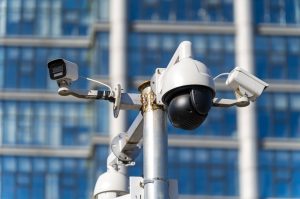
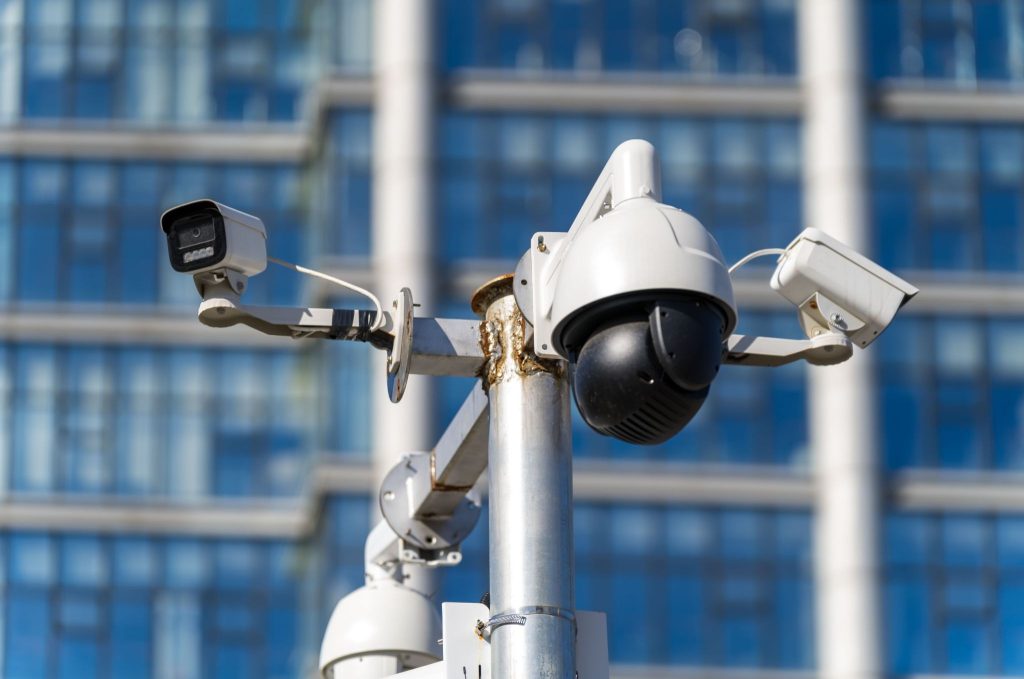
Dome cameras are a popular choice for both indoor and outdoor surveillance. Their unique design features a dome-shaped housing that makes them less obtrusive and more aesthetically pleasing. These cameras are often mounted on ceilings or walls, providing a discreet yet effective surveillance solution.
One significant advantage of dome cameras is their versatility. They can capture video in multiple directions, making them suitable for monitoring larger areas. Additionally, their discreet design helps deter potential intruders, as they may not know which direction the camera is pointing. This uncertainty can discourage criminal activity, as individuals may be less likely to engage in wrongdoing when they are aware they are being watched.
Dome cameras are particularly effective in places like retail stores, restaurants, and offices, where maintaining a low profile is essential. They are also less prone to vandalism due to their design, which makes it difficult to tamper with the lens. This durability is an essential feature for businesses looking to maintain a secure environment.
Bullet Security Cameras
Bullet cameras are easily recognizable due to their elongated shape. These cameras are designed for long-distance viewing and are often used in outdoor settings. Their design allows them to capture detailed images over significant distances, making them ideal for monitoring large areas.
Bullet cameras typically come with adjustable lenses, allowing users to focus on specific areas. Many models are weatherproof, making them suitable for outdoor use in various conditions. Additionally, they often include infrared night vision capabilities, enabling them to capture clear footage even in low-light environments.
The ability to cover long distances makes bullet cameras effective for capturing clear images of potential intruders. They are commonly used in parking lots, driveways, and perimeters of properties to monitor for unauthorized access. Their visibility can also serve as a deterrent, as their presence alone may discourage criminal activity.
PTZ (Pan-Tilt-Zoom) Cameras
PTZ cameras offer advanced features that allow users to control the camera’s direction and zoom level remotely. These cameras can pan left and right, tilt up and down, and zoom in on specific areas, providing comprehensive coverage of large areas.
The primary benefit of PTZ cameras is their versatility. They can cover large areas with fewer units, making them cost-effective for extensive surveillance needs. Users can track moving objects and adjust the camera’s focus in real-time, allowing for greater situational awareness.
PTZ cameras are ideal for monitoring large venues such as stadiums, warehouses, and shopping malls. They are also effective for security personnel who need to monitor various locations from a central control room. The ability to adjust the camera’s position and zoom level ensures that nothing goes unnoticed.
Hidden and Covert Cameras
Hidden cameras, also known as covert cameras, are designed to blend into their surroundings. These cameras can be disguised as everyday objects, making them ideal for discreet surveillance in sensitive areas.
Hidden cameras are often used for monitoring sensitive environments, such as homes, offices, and retail stores. They provide valuable insights into employee behavior or security concerns without drawing attention to the surveillance. This covert nature allows for more genuine interactions and behaviors, as individuals are often unaware they are being recorded.
While hidden cameras can be effective for surveillance, ethical considerations must be taken into account. It is essential to respect privacy laws and inform individuals if they are being recorded in areas where they have a reasonable expectation of privacy. Balancing security needs with ethical considerations is crucial to maintaining trust and transparency.
Conclusion
Choosing the right security camera type is crucial for effective surveillance. Each type of camera offers unique features and benefits tailored to specific needs and environments. Whether you require high-resolution footage, remote access, or discreet monitoring, understanding the various security camera types can guide you in selecting the best solution for your safety and security. By investing in the right technology, you can enhance your peace of mind and protect what matters most.