In an age where safety is paramount, the importance of door locks in enhancing overall security cannot be overstated. Whether at home or in a business, door locks serve as the first line of defense against unauthorized access and potential threats. Understanding how door locks enhance security is crucial for anyone looking to protect their property and loved ones. This article will explore the various types of door locks, their functions, and the key role they play in creating a secure environment.
The Role of Door Locks in Security
At their core, door locks are designed to provide security. They serve as a physical barrier that prevents unauthorized individuals from entering a property. However, the benefits of door lock security extend beyond mere physical deterrence. Locks contribute to an overall security strategy by offering peace of mind, enhancing privacy, and protecting valuable possessions.
Psychological Deterrent
One of the most significant aspects of door lock security is its psychological impact. Knowing that a property is secured with reliable locks can deter potential intruders. Criminals are often opportunistic, seeking easy targets. If they encounter a well-secured door, they are more likely to move on to less protected properties. According to a study by the University of North Carolina, homes with strong door locks and visible security measures experience lower rates of burglary attempts.
Types of Door Locks
Understanding the different types of door locks is essential for selecting the best security solutions for your property. Each type of lock offers unique benefits and levels of security.
Deadbolts
Deadbolts are one of the most common and effective types of door locks. They provide enhanced security compared to standard spring-loaded locks. A deadbolt lock operates by extending a solid metal bolt into the door frame, making it resistant to forced entry.
There are two main types of deadbolts: single-cylinder and double-cylinder. A single-cylinder deadbolt has a keyhole on the outside and a thumb turn on the inside. This design is convenient for residential use but may pose a safety risk if an emergency requires a quick exit. On the other hand, a double-cylinder deadbolt requires a key on both sides, offering extra security but potentially slowing down evacuation.
A real-life example of the effectiveness of deadbolts can be found in a case study involving a suburban neighborhood that experienced a series of break-ins. After residents installed deadbolt locks on their doors, the neighborhood saw a significant drop in burglary attempts, demonstrating the impact of robust locking mechanisms.
Smart Locks
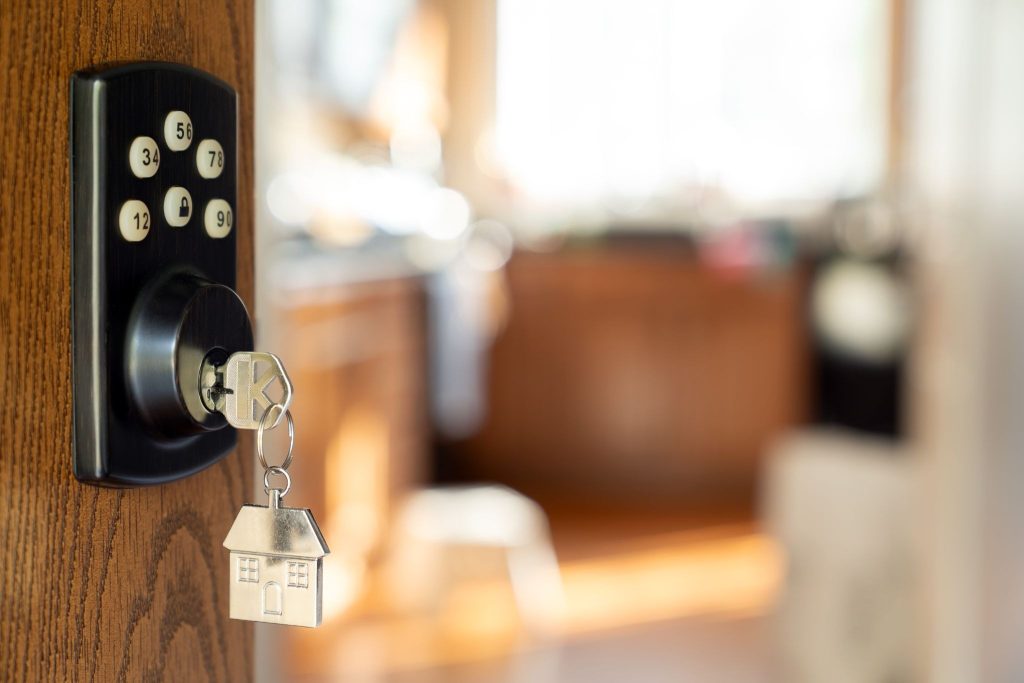
Smart locks are the modern evolution of traditional door locks, utilizing technology to enhance security and convenience. These locks can be controlled remotely through smartphones or smart home systems. They often feature keyless entry options, allowing users to unlock doors using codes, biometrics, or mobile apps.
The convenience of smart locks is evident in their ability to facilitate access for authorized individuals without needing physical keys. For instance, homeowners can grant temporary access codes to guests or service providers, eliminating the need for physical key exchanges. Furthermore, smart locks often come with built-in security features such as alerts for unauthorized access attempts and activity logs.
In one notable case, a family installed a smart lock on their front door and used it to provide access to a housekeeper. They could monitor the times the door was locked and unlocked and even receive notifications when the door was accessed. This level of control not only enhanced security but also provided peace of mind.
Knob Locks
Knob locks are commonly used on interior doors and are often found in residential properties. While they are easy to install and operate, they offer limited security and should not be relied upon as the primary locking mechanism for exterior doors.
Due to their design, knob locks are relatively easy to pick or break. Therefore, they are best used in conjunction with deadbolts or other more secure locking systems. For homeowners, using knob locks on interior doors can provide privacy without compromising overall security.
Electronic Locks
Electronic locks are another modern solution that enhances door lock security. These locks use keypads, biometric scanners, or RFID technology to grant access. They eliminate the need for physical keys, making them a convenient option for both residential and commercial properties.
Electronic locks can be particularly beneficial for businesses with multiple employees. Instead of issuing physical keys, employers can provide access codes or key fobs. This system simplifies access management and allows for easy revocation of access when necessary.
In a commercial setting, a local gym implemented electronic locks for its locker rooms. Members were issued unique codes that changed regularly, which significantly reduced theft and unauthorized access. This example illustrates how electronic locks can enhance security while providing convenience.
Choosing the Right Door Locks
Selecting the right door locks for your property is crucial for maximizing security. Here are some factors to consider when making your choice.
Assessing Security Needs
Before purchasing door locks, assess your specific security needs. Take into account the location of your property, the level of crime in the area, and the type of threats you may face. For example, homes in high-crime neighborhoods may require more robust locking systems, such as deadbolts and smart locks, while properties in safer areas may only need standard locks.
Understanding Lock Ratings
Locks are often rated based on their security features. The American National Standards Institute (ANSI) has established a grading system that categorizes locks into three grades: Grade 1, Grade 2, and Grade 3.
Grade 1 locks are the highest quality and provide the most security, making them ideal for commercial properties and high-traffic areas.
Grade 2 locks are suitable for residential use and offer a good balance between security and cost.
Grade 3 locks are the lowest-rated and are typically used for interior doors or light-duty applications.
Investing in higher-rated locks can significantly enhance door lock security, providing better resistance against forced entry.
Professional Installation
While some homeowners may choose to install door locks themselves, professional installation is often recommended for optimal security. A skilled locksmith can ensure that the locks are installed correctly and functioning as intended. Proper installation minimizes vulnerabilities and maximizes the effectiveness of the locks.
Enhancing Door Lock Security with Additional Measures
While door locks are a critical component of security, they should not be the only line of defense. Implementing additional security measures can further enhance overall protection.
Reinforcing Doors and Frames
Reinforcing doors and frames can add an extra layer of security. Installing strike plates, security hinges, and door reinforcements can make it more difficult for intruders to breach entry points.
For example, a homeowner who reinforced their front door with a heavy-duty strike plate and security hinges reported feeling more secure, especially during the night. This simple enhancement can deter potential break-ins.
Security Cameras and Alarms
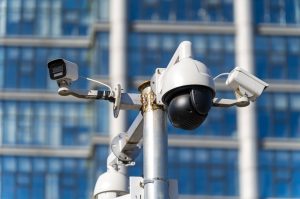
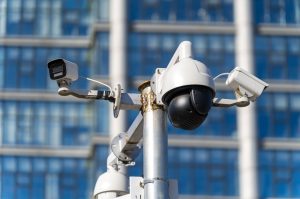
Integrating security cameras and alarm systems with door locks provides a comprehensive security solution. Cameras serve as both a deterrent and a means of monitoring activity around your property.
When combined with door locks, these systems create a layered approach to security. For instance, a business that installed security cameras at entry points alongside high-security locks reported a significant reduction in theft and vandalism. The visible presence of security measures discourages criminal behavior.
Motion Sensor Lighting
Installing motion sensor lighting around entry points can enhance door lock security by illuminating areas when movement is detected. This added visibility can deter potential intruders who prefer to operate in the dark.
Homeowners who have incorporated motion sensor lights around their doors often report feeling safer, knowing that their property is well-lit and monitored. This simple addition can significantly impact overall security.
The Future of Door Lock Security
As technology continues to advance, the landscape of door lock security is evolving. New innovations are making locks more secure and easier to use than ever before.
Smart Home Integration
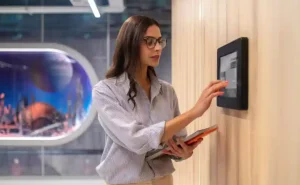
The rise of smart home technology has led to the development of interconnected security systems. Homeowners can now control their door locks alongside other smart devices, such as cameras and alarm systems, from a single app.
This integration enhances convenience and allows for real-time monitoring of security status. A homeowner with a smart door lock can receive notifications when their door is accessed and remotely lock or unlock it as needed. This level of control is transforming how we think about door lock security.
Biometric Technology
Biometric technology is becoming increasingly popular in the realm of door lock security. Fingerprint and facial recognition locks offer a high level of security by ensuring that only authorized individuals can gain access.
This technology eliminates the need for keys or codes, reducing the risk of unauthorized entry. For businesses, biometric locks can enhance security in sensitive areas, providing an additional layer of protection.
Conclusion
Door locks play a crucial role in enhancing overall security. From traditional deadbolts to modern smart locks, each type of lock offers unique benefits that contribute to the safety of homes and businesses. By understanding the various options available and choosing the right locks for your property, you can create a secure environment that protects your loved ones and valuable possessions.
Investing in door lock security is not just about preventing break-ins; it’s about fostering peace of mind. As threats evolve, so too should our approaches to security. By combining robust door locks with additional security measures, homeowners and business owners can take proactive steps to safeguard their properties.
The key to effective door lock security lies in understanding your needs, utilizing the latest technology, and remaining vigilant. With the right approach, you can build a secure foundation that protects what matters most.